


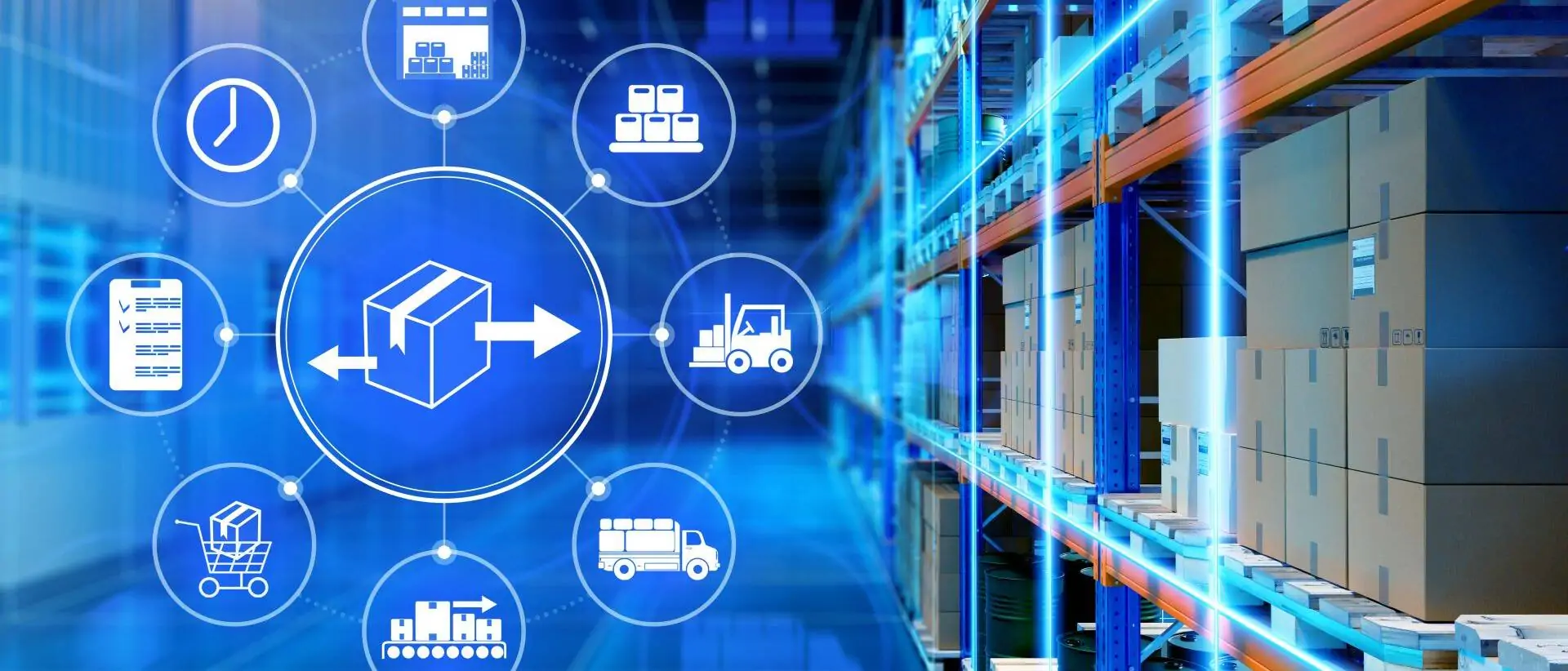
In an economic context, fulfillment refers to the entirety of all operational and administrative processes required after an order is received to fully deliver the contractually agreed-upon service to a customer. The goal of fulfillment is to ensure that a customer receives the ordered goods or services in the correct quantity, quality, and time.
The term has become established as a designation for complete order processing, particularly in retail, logistics, and e-commerce. Fulfillment encompasses not only the physical movement of goods but also numerous accompanying processes such as inventory management, payment processing, returns management, and customer service. In many companies, fulfillment is a central component of the value chain and has a significant impact on customer satisfaction, competitiveness, and economic success.
Historical Development
Fulfillment experienced a decisive surge in development with the emergence of e-commerce in the 1990s. The digitization of ordering processes and the growing number of online stores significantly increased the demands on speed, transparency, and scalability in logistics. Today, specialized fulfillment service providers often handle the entire order processing for retailers and manufacturers. In this context, the term “e-fulfillment” is frequently used.
Tasks and Components of Fulfillment
Fulfillment encompasses all activities between the receipt of an order and the completion of the business process. The individual tasks can be divided into several core areas.
Order Acceptance
The process begins with the receipt of an order. This can occur via an online store, a marketplace, by phone, or through other sales channels. The order data is recorded, verified, and transferred to the merchandise management or warehouse management system. This often involves automatic validation of the delivery address, payment information, and product availability.
Inventory Management
Inventory management forms the foundation for efficient order fulfillment. Goods are stored and managed in warehouses or distribution centers. The goal is to maintain sufficient stock at all times without incurring unnecessarily high storage costs. Modern warehouse management systems enable continuous inventory monitoring and ensure transparency regarding available items.
Order Picking
Order picking refers to the process of assembling the goods ordered by the customer. The required items are retrieved from the warehouse based on the order data and prepared for shipment.
Order picking is one of the most cost-intensive processes in logistics and is therefore often supported by automation technologies.
Packaging
Once the order has been assembled, the goods are packaged. Various factors must be taken into account, including product protection, shipping costs, sustainability, and customer experience. Many companies use custom packaging solutions to strengthen their brand identity and increase customer satisfaction.
Postage and Shipping
The shipment is then labeled with the necessary shipping information and handed over to a parcel service, carrier, or logistics partner. The selection of the appropriate shipping provider depends on factors such as delivery time, shipping costs, destination region, and shipment size.
Shipment Tracking (Tracking)
Modern fulfillment processes typically include seamless shipment tracking. Customers receive tracking information that allows them to view the current status of their delivery at any time. Transparency in the shipping process contributes significantly to customer satisfaction and reduces the number of inquiries to customer service.
Payment Processing
Order processing also includes handling customer payments. Depending on the business model, various payment methods such as credit card, direct debit, purchase on account, instant bank transfer, or digital payment services are used. Secure and efficient payment processing is an essential component of fulfillment.
After-Sales Service
Fulfillment does not necessarily end with the delivery of the goods. A professional after-sales service supports customers even after the purchase. This includes handling complaints, processing warranties, supplying replacement parts, providing technical support, and managing returns.
Fulfillment in E-Commerce
In e-commerce, fulfillment holds particular significance. Today, customers expect short delivery times, high delivery reliability, and comprehensive transparency regarding order status. At the same time, the number of orders is steadily increasing, which in turn increases logistical demands.
Many online retailers outsource their logistics processes to specialized fulfillment service providers. These providers handle tasks such as warehousing, order picking, packaging, shipping, and returns processing. This allows the retailer to focus more on sales, marketing, and product development.
A typical e-fulfillment process begins with the transfer of order data from the online store to the service provider’s warehouse management system. The required products are then picked, packed, and shipped. The shipping information is automatically reported back to the online store so that the customer can be informed of the current status of their order.
Technological Foundations for Fulfillment
Increasing digitalization has fundamentally changed fulfillment processes. Modern systems enable largely automated control of logistics processes.
Warehouse Management Systems
Warehouse Management Systems (WMS) are used to manage and optimize warehouse processes. Among other things, they support inventory management, storage location management, order picking, and inventory counting. Using a WMS can reduce error rates and increase process speeds.
Enterprise Resource Planning
ERP systems link fulfillment processes with other business areas such as purchasing, sales, accounting, and production. This creates a seamless flow of information throughout the entire value chain.
Automation and Robotics
In modern fulfillment centers, automated conveyor systems, sorting systems, and warehouse robots are increasingly being used. These technologies enable faster processing of large order volumes and reduce the need for manual labor.
Artificial Intelligence and Data Analytics
Artificial intelligence is increasingly being used to generate demand forecasts, optimize inventory, and make supply chains more efficient. Data analytics help companies identify bottlenecks early on and continuously improve processes.
Fulfillment Centers
Fulfillment centers are warehouses and distribution centers specifically designed to handle fulfillment processes. They differ from traditional warehouses in that they feature a higher degree of automation and are more focused on the rapid processing of individual customer orders.
Typical features of a fulfillment center include:
- Large storage capacities
- Modern warehouse management systems
- Automated conveyor technology
- Fast order picking processes
- Direct connection to shipping service providers
- Integrated returns processing
Fulfillment centers play a central role, particularly in e-commerce, as they form the basis for short delivery times and high service quality.
Returns Management
An important component of fulfillment is returns management. Especially in online retail, goods are frequently returned, for example due to sizing issues, damage, or changes in purchasing decisions.
Efficient returns management includes:
- Acceptance and inspection of the return
- Documentation of the reason for return
- Restocking of saleable merchandise
- Repair or reconditioning of damaged products
- Refunding the purchase price
The professional handling of returns also contributes significantly to customer satisfaction and can simultaneously reduce costs for companies.
Fulfillment Management
Fulfillment management refers to the planning, control, monitoring, and optimization of all fulfillment processes. The goal is to process customer orders as efficiently and accurately as possible.
Fulfillment management includes, among other things:
- Inventory management
- Warehouse control
- Shipping management
- Process optimization
- Quality management
- Cost control
- Customer service
- Supplier coordination
In contrast to warehouse management, which focuses primarily on warehouse processes, fulfillment management considers the entire order processing cycle, including all upstream and downstream processes.
Benefits of Professional Fulfillment
High-performance fulfillment offers companies numerous benefits:
Higher Customer Satisfaction
Fast delivery times, transparent communication, and reliable order processing increase customer satisfaction and promote customer loyalty.
Increased Efficiency
Standardized and automated processes reduce errors and lower operating costs.
Scalability
Companies can ensure a consistently high level of service quality even with highly fluctuating order volumes.
Focus on Core Competencies
By outsourcing logistics processes, companies can focus more on sales, product development, and marketing.
International Expansion
Professional fulfillment service providers often have international warehousing and shipping networks that facilitate entry into new markets.
Challenges in Fulfillment
Despite its advantages, fulfillment comes with various challenges. These include:
- Rising customer expectations regarding delivery speed
- Fluctuating demand and seasonal peaks
- Complex international supply chains
- Skills shortage in logistics
- High sustainability requirements
- Rising return rates in e-commerce
Companies must continuously adapt their processes to successfully address these challenges.
Importance for Businesses
Fulfillment has evolved from a purely operational function into a strategic competitive factor.
Customers increasingly evaluate companies not only based on product quality and price, but also on delivery speed, service quality, and transparency in order processing.
Especially in e-commerce, efficient fulfillment can be crucial to a company’s success. Fast and error-free delivery strengthens customer trust, increases the repeat purchase rate, and improves a company’s market position.
Summary
Fulfillment refers to the complete handling of all processes necessary to successfully fulfill customer orders. It encompasses order acceptance, warehousing, order picking, packaging, shipping, payment processing, and after-sales service. In the age of e-commerce, fulfillment has gained significant importance and is now a central component of modern supply chains. By leveraging digital technologies, automated warehouse processes, and professional fulfillment service providers, companies can increase efficiency, reduce costs, and simultaneously enhance customer satisfaction. Fulfillment management ensures the overarching control and continuous optimization of all involved processes.
