

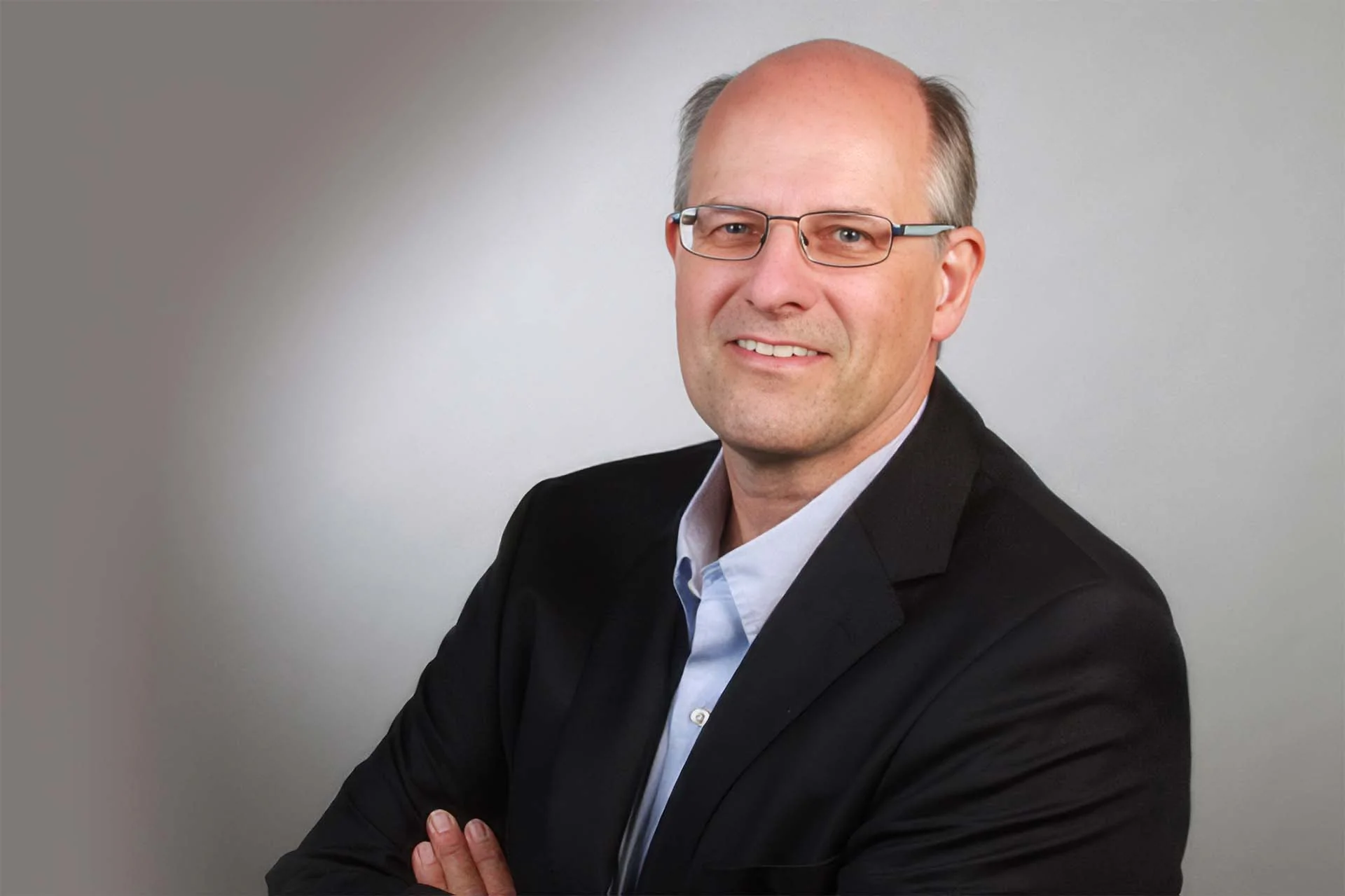
“Goliath 61” is a major retrofit project by Hermes Fulfilment GmbH that involves extensive technical and software modernization. In this interview, we speak with Stefan Nießen, the site operations manager.
This interview is part of a series in which we speak with those involved about the joint Goliath 61 project in Haldensleben.
What is your position and role within the company?
My name is Stefan Nießen, and I am the operations manager of the Hermes Fulfilment (HF) fulfillment center in Haldensleben. From our location in the heart of Europe, we ship over 120 million items annually.
When and how did you become involved in the project?
The project began when it became clear that the 30-year-old technology had reached its limits. I was involved from the very beginning.
What were your expectations for the collaboration?
Very high, since the high-bay warehouse is the linchpin for several locations as well as for OTTO and Bonprix, and it had to undergo “open-heart surgery” during six-day workweeks.
What is the current status of the Goliath 61 project?
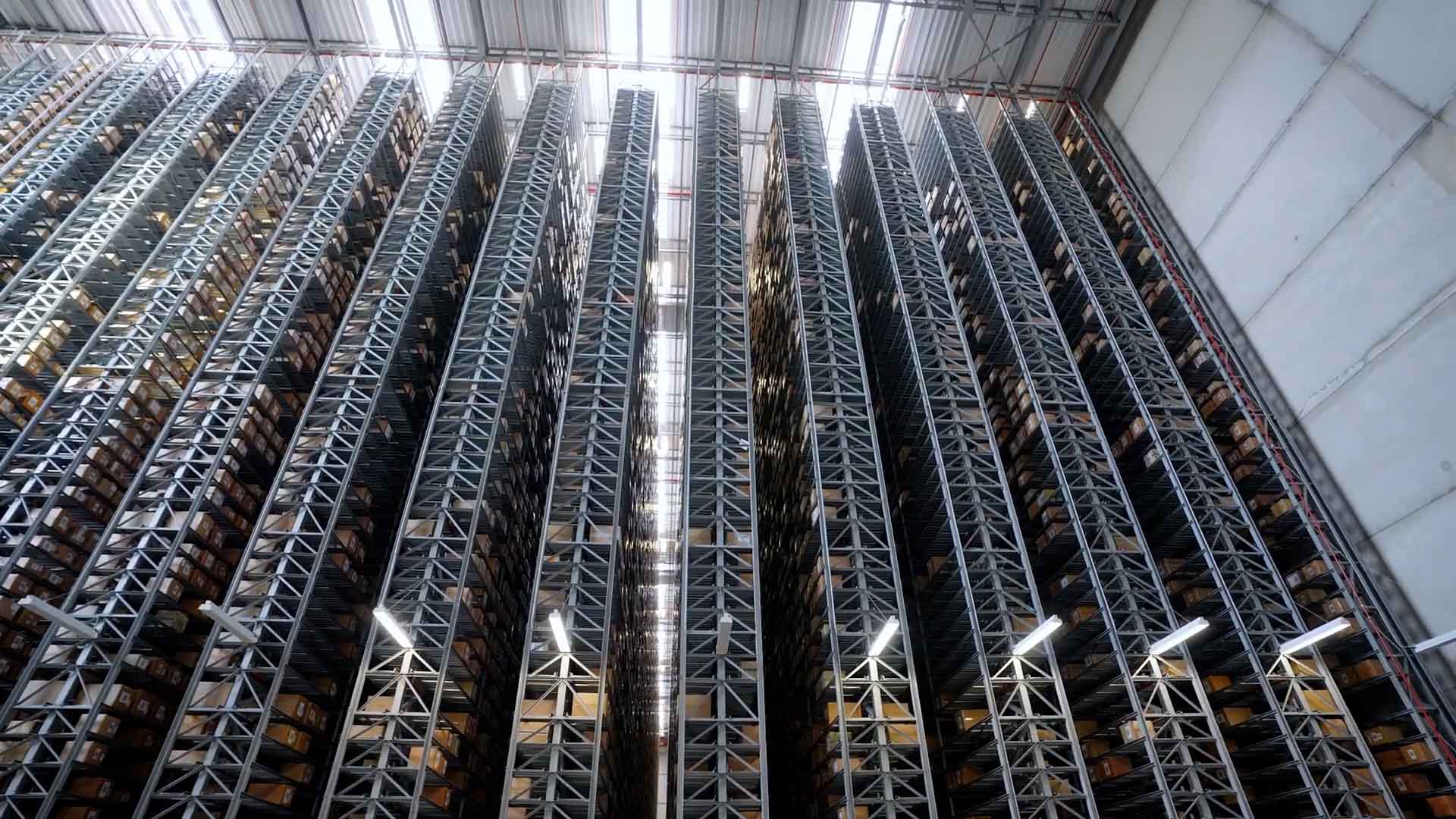
At the moment, we have installed and put five stacker cranes into operation. As the project name suggests, there will be a total of 61 stacker cranes. So we still have quite a way to go to reach our goal: We need to relocate inventory accordingly and create space without disrupting ongoing operations more than necessary.
How did the collaboration between Hermes Fulfilment and its software partner TUP go?
“Noiseless” is a term I’d use to describe it—which is also a result of our thirty-year partnership. The points of contact on both sides know each other well and understand where each issue needs to be addressed. This is of enormous importance to us, as our operations run around the clock. So when we need support, speed and expertise regarding both the old and new systems are extremely important.
Direct collaboration with TUP takes place within the project teams. I’m responsible for day-to-day operations and therefore have fewer points of contact. However, when operational warehouse requirements arise and I pass them on to TUP, they’re implemented quickly.
How would you rate the communication between your company and TUP?
Similar to the collaboration: “Quietly” in a positive sense. There’s little friction, and the process is solution-oriented.
From your professional perspective, what advantages do you see in the solutions being used?
From a software perspective, one of the key advantages is the leap to current IT standards. In this area in particular, ten years represent a veritable generational leap. The differences between current software and software from the 1990s are enormous in every respect. For us, this is most noticeable in the form of better and customized user interfaces.
As for the hardware, it was high time for an upgrade. The old rack-handling devices are very heavy steel structures that were built to meet different requirements than those we now face in e-commerce. The new Stöcklin solutions are lighter, faster, and easier to maintain. Another starting point for the project was that we had 39 units with eight transfer mechanisms in our 61 aisles. By the end of the project, the key benefit will be that each aisle has its own stacker crane. This will allow us to eliminate the time-consuming transfer processes that are still necessary at the moment.
How do you view the topic of retrofitting, specifically for the logistics industry?
Retrofitting is a key focus for us, and in addition to Goliath 61, we have several other projects underway ranging from further digitization to robotics in collaboration with Boston Dynamics. Our driving forces are speed and on-time delivery—which are of central importance in e-commerce—but also long-term factors such as demographic change. That’s why we’re primarily focusing on automating repetitive and physically demanding tasks, whether it’s packing a package with items or unloading a shipping container. For the latter, for example, we use the Stretch robot. Operating a warehouse like the one in Haldensleben manually would simply not be economically viable.
I believe that retrofits are extremely important and that, as a company, we cannot rest on our laurels with existing technology; instead, we must continually identify and implement economically sound improvements and innovations—otherwise, we will not survive in the market.
From your perspective, what were some key milestones or solutions that were developed collaboratively during the project?
One unique aspect was that we put the software into operation before installing the new hardware. This took place as early as 2025 and already brought us significant progress, particularly in the control of the storage and retrieval machines. This allowed us to better manage the old system and be fully prepared for the new one right away. Building on this foundation, we were then able to gain valuable experience with the first new Stöcklin storage and retrieval machine as part of a pilot project.
What was the target state, and how has the actual state developed?
As mentioned at the beginning, we still have a long way to go at the moment. However, the progress so far is promising, despite the project’s high complexity.
How have you found the implementation of the migration phases so far?
Everyone involved has contributed significantly to structuring the project over many months in such a way that the very limited time windows outside of ongoing operations were utilized optimally. We have 1.2 million storage locations, over 90% of which are occupied. Everything has to happen “on the fly,” and by and large, that has worked very well.
Which storage and retrieval machines are being installed in Haldensleben?
The new Stöcklin machines were specifically designed to meet our requirements and fit the existing dimensions. They are lighter, faster, and easier to maintain. This represents a massive upgrade to the high-bay warehouse, which is the backbone of every process in Haldensleben.
What advantages does the new technology offer users?
It’s a quantum leap in terms of both hardware and software. With the 61 units, we’ll not only be able to manage storage locations much more effectively in the future, but the resilience of the entire site will also improve enormously. In addition to this increased performance and reliability, we also expect cost savings through reduced maintenance and improved energy efficiency.
What challenges did and do we face when installing additional storage and retrieval machines at the Haldensleben site?
Due to the hall’s design, we have to work with the existing configuration of the steel framework and cannot simply remove a beam here or there to integrate new technology. The installation itself must also always be planned in such a way that it has as little impact on day-to-day operations as possible. This requires seamless coordination among all parties involved: Orders pile up for us during e-commerce peaks in the spring and fall/winter, but there can also be short-term order spikes, for example, when the first snow falls. Our goal is always to ensure that customers have a seamless digital shopping experience. This means the daily volume must be handled and the cut-off times must be met.
How do you rank the Goliath 61 project compared to other intralogistics projects at locations within the Otto Group?
With a budget in the mid-double-digit millions, it is the largest project for this location in the last ten years. Even when compared to other Otto Group projects and beyond current investments, the site holds its own: Its size, the degree of automation, and the fact that we have goods receiving, order picking, shipping, and a loading sorter all under one roof make us one of the most efficient logistics centers in Europe.
What is your view on the adaptability of the German logistics sector?
I believe that our commitment to change — supported by the Otto Group’s willingness to invest — positions us very well. We take a very pragmatic approach to determining what suits us and where there is a good cost-benefit ratio.
What trends do you currently see in intralogistics, and how do you assess them?
There are many trends, just as there are many providers of new technologies. Since we’re not starting from scratch, our existing processes set the direction for us. A key question for us, therefore, is always whether competent providers are available in these areas with whom we can implement a project while operations continue as usual.
Where do you see the path leading from here?
I will continue to serve as plant manager in Haldensleben, where—in addition to day-to-day operations—I’ll also oversee projects like Goliath 61.
Thank you very much for the interview!
See more interviews in the series
To our other blog posts
Back to the homepage
