Press Release / Stutensee / June 25, 2026. “Mind meets machine – What’s next?” is the motto of LogiMAT 2027. For TUP Warehouse Management Solutions, the answer is: continuous retrofitting. From the software specialist’s perspective, the crucial question for the future—not only ahead of next year’s leading trade show but especially in day-to-day logistics operations—is not which technology will come next, but how quickly TUP customers can adapt to new requirements through continuously improved warehouse IT.
While market demands, technologies, and business models are following ever-shorter cycles of change, many warehouse management systems (WMS) are still based on periodic modernization and migration projects. From TUP’s perspective, this model is no longer up to date. The WMS of the future will not be replaced at long intervals, but rather continuously refined.
“Given the turbulent global situation, it can quickly happen that a warehouse’s status quo is optimized for yesterday’s requirements,” says Simon Thomas, CEO of TUP. “Retrofits are therefore the focus of attention for many logistics managers.” For the software experts at TUP, it is clear that the ability to undergo continuous transformation is the defining characteristic of future-proof warehouse management systems. Under the motto “Permanent Retrofit,” the company will also be highlighting this concept at LogiMAT, which begins on March 16, 2027, in Stuttgart.
TUP defines “permanent retrofit” as the continuous further development of functions, processes, and integrations during ongoing operations. This extends the classic retrofit concept from intralogistics to software: The warehouse management system is no longer replaced in cycles or fundamentally overhauled, but rather continuously refined. Instead of project-driven migrations, continuous adaptation becomes the operating principle.
“Intralogistics must be understood as a constant optimization process. Whether the cause is market developments, technological advances, or changing customer needs ultimately makes no difference,” says Günther Pfisterer, Chair of the VDI Committee on “Logistics Processes and IT” and Chief Operating Officer (COO) at TUP. “If changes are hindered by rigid systems, companies lose precisely the agility that determines their competitiveness today.”
That is why TUP’s warehouse management systems are designed to continuously adapt to new processes, technologies, and operational requirements. The company views the ability to continuously evolve as a key feature of modern intralogistics software. It enables companies to maintain individual process landscapes over the long term, quickly implement new requirements, and keep warehouse operations adaptable in the long run.
Continuous transformation thus becomes not a one-off project, but an operational principle. Systems like TUP.WMS lay the foundation for warehouse operations to continuously evolve without jeopardizing their operational stability.
Photos:
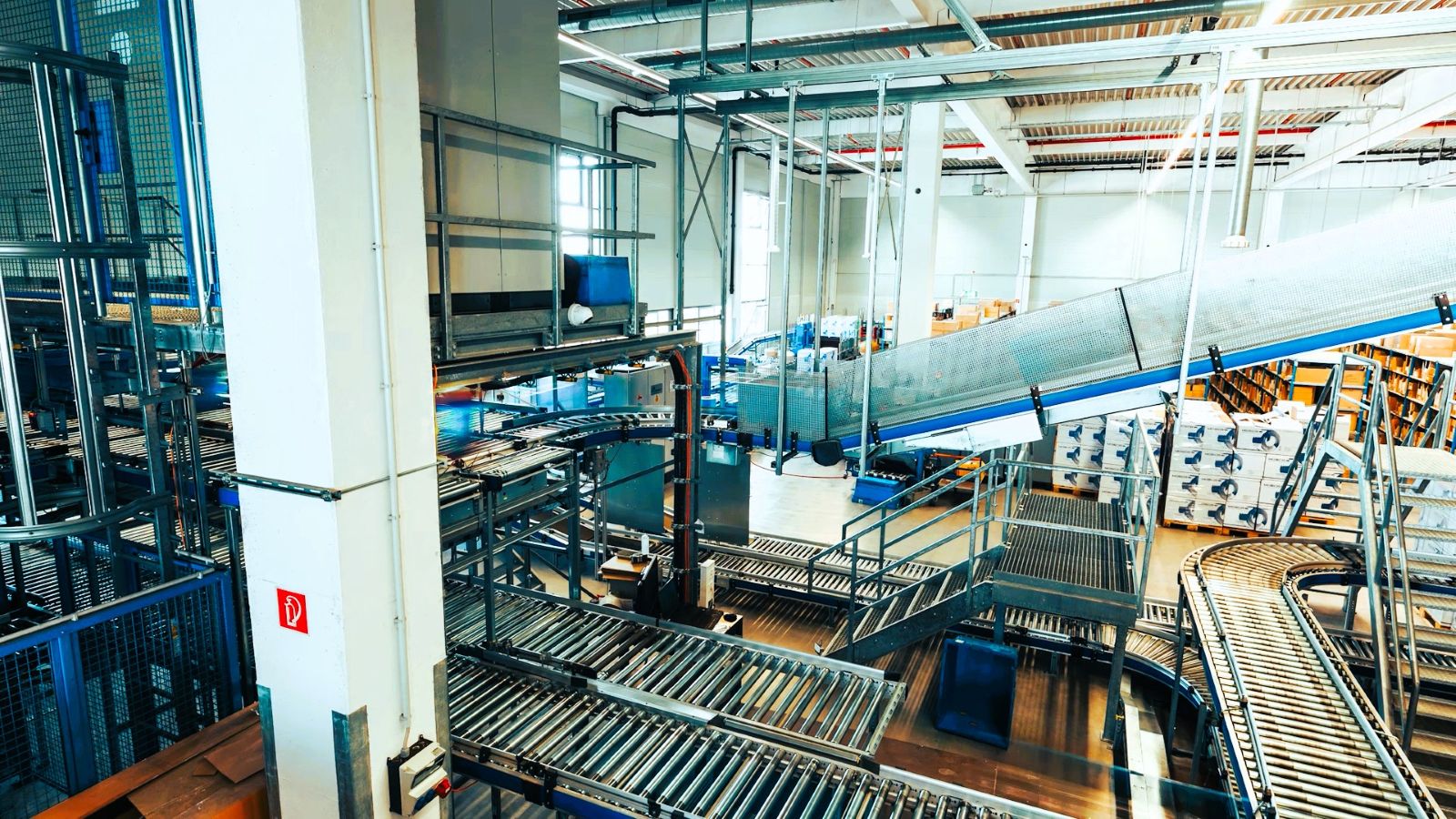
Image 1 – Caption: From an IT perspective, the ongoing retrofitting of warehouse organization represents the key issue for the future of efficient intralogistics, according to software specialist TUP.
– Usage Note: The image material is provided free of charge, provided the source “TUP GmbH & Co. KG” is cited, exclusively for editorial use. Commercial use is not permitted.